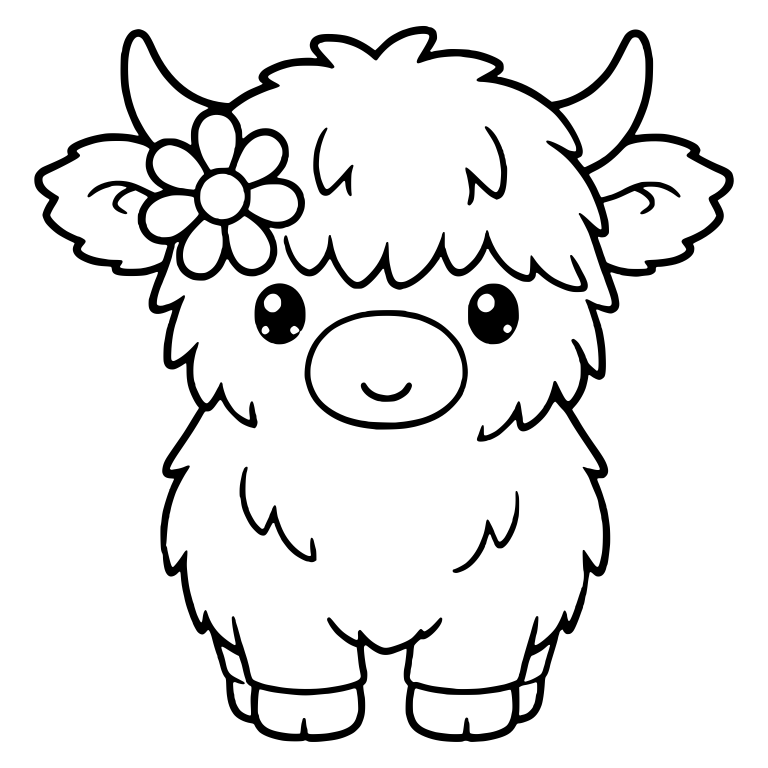
Highland Cow With Large Daisy
Best-selling western shirt graphic for bleached sublimation tees and single-layer HTV totes.
Download Free SVGGuide
Choosing between Direct-to-Film (DTF) transfers, dye sublimation, and heat transfer vinyl (HTV) determines your cost per shirt, fabric limits, and customer return rate. In our 2026 apparel lab and market benchmark, dye sublimation delivers the lowest consumables cost ($0.42–$0.68 per 10"×10" chest print) and zero cracking at 50+ washes on polyester, while DTF transfers win on 100% cotton and dark garments at $1.15–$2.10 per gang-sheet print without any vinyl weeding.
Meanwhile, single-color and specialty HTV vinyl remains essential for immediate jersey lettering, 3D puff textures, and metallic accents despite higher multi-color costs ($1.85–$3.40 per shirt). Below are the complete 2026 market-sizing disclosures, per-shirt cost tables, 50-wash durability benchmarks, heat-press settings, and 18 free commercial-use SVGs ready for all three workflows.
Top Overview · Custom Apparel Cost & 50-Wash Durability
Independent apparel decorators are shifting rapidly from single-method vinyl cutting to hybrid print-and-press production. Rising consumer demand for full-color vintage graphics, photo-realistic pet portraits, and zero-minimum personalized gifts has pushed custom T-shirt printing into double-digit compound growth worldwide.
Cross-referencing industry market valuations from Grand View Research, Straits Research, and textile equipment trackers clarifies how quickly digital transfer technologies are gaining share against traditional cut-and-weed workflows.
| Apparel & Print Segment | Current Market Valuation | Projected Growth Rate (CAGR) | Long-Term Forecast | Key Industry Driver |
|---|---|---|---|---|
| Custom T-Shirt Printing (Global) | $5.2B–$7.14B (2024/2025) | 10.59%–11.5% CAGR | $9.8B (2030) / $17.67B (2034) | On-demand POD & small-shop Etsy apparel (33%–36% North America share) |
| Dye-Sublimation Printing (Total) | $14.9B (2025) | 11.3% CAGR | $25B+ by early 2030s | Polyester activewear, rigid drinkware blanks & signage |
| Sublimated Apparel Segment | $6.1B (2025) | 9.2% CAGR | $14.7B (2035) | Team jerseys, moisture-wicking polos & bleached tees |
| Direct-to-Film (DTF) Printing | $2.7B (2025) | 6.0%–9.5% CAGR | $3.9B (2030) | Zero-weeding full-color transfers on 100% cotton & dark hoodies |
For home-based makers and Etsy shops, the biggest operational takeaway from these market figures is that you no longer need a $15,000 commercial DTG printer to compete on cotton shirts. Pre-printed 22-inch DTF gang sheets now let anyone with a standard clamshell or auto heat press apply full-color artwork onto dark cotton hoodies for under $2.00 per chest graphic.
Every transfer method excels on a specific combination of garment fiber, shirt color, and color complexity. Attempting to force sublimation onto dark cotton or forcing 6-color intricate illustrations through cut HTV vinyl is where small shops burn both blank inventory and labor hours.
The side-by-side matrix below summarizes the physical trade-offs across all three decorating methods for a standard 10"×10" adult chest design.
| Comparison Factor | DTF Transfers (Direct-to-Film) | Dye Sublimation | HTV (Heat Transfer Vinyl) |
|---|---|---|---|
| Best Fabric Types | 100% Cotton, 50/50 Blends, Polyester, Nylon, Canvas | 100% Polyester or ≥65% Poly Light Blends | 100% Cotton, 50/50 Blends, Polyester, Canvas |
| Works on Black & Dark Shirts? | Yes (Opaque white underbase ink) | No (Transparent ink requires white/light base) | Yes (Opaque pigmented polyurethane film) |
| Hand Feel on Shirt | Soft, flexible satin film (lightweight) | Zero feel (dyed directly into fiber) | Smooth matte/gloss film (heavier on multi-layer) |
| Multi-Color & Gradient Complexity | Unlimited CMYK + White, zero weeding | Unlimited CMYK photo gradients, zero weeding | 1–3 solid colors practical; manual weeding required |
| Startup Equipment Needed | Heat press only (order gang sheets) or $2,500+ DTF printer | Converted EcoTank ($250–$450) + Heat press | Cricut/Silhouette cutter ($200–$400) + Heat press |
| Production Prep Time / Shirt | 15–25 seconds (cut sheet + press + peel) | 45–75 seconds (print + tape + press) | 3–12 minutes (cut + hand weed + multi-press) |
If your shop sells both dark cotton graphic tees and canvas totes alongside light polyester performance wear or ceramic mugs, pairing a converted sublimation printer with outsourced DTF gang sheets covers nearly 100% of custom apparel orders. Save your Cricut or Silhouette HTV workflow for single-color personalization, jersey numbers, glitter accents, and specialty puff or foil finishes.
Calculating true unit cost requires measuring consumables, blank apparel, and realistic labor minutes—not just sticker-price ink or roll cost. Using a standardized 10"×10" full-front chest graphic on a $4.25 wholesale unisex blank (such as Bella+Canvas 3001 or Gildan Softstyle/Gildan 5000), the gap in labor and consumables shifts dramatically once a design uses more than two colors.
The unit-economics table below compares average 2026 consumables, weeding/prep time, and net gross profit on a $28.00 retail T-shirt order before marketplace fees.
| Method (10"×10" Chest Graphic) | Transfer / Vinyl Consumables | Wholesale Shirt Blank | Prep & Press Labor Time | Total Material Cost | Gross Margin @ $28 Retail |
|---|---|---|---|---|---|
| Dye Sublimation (Converted EcoTank) | $0.42–$0.68 (Paper + Sub Ink) | $4.50 (Light Poly / 65/35 Blend) | ~1.5 min | $4.92–$5.18 | $22.82–$23.08 (81.5%) |
| DTF Gang Sheet (Outsourced 22"×60") | $1.15–$2.10 (Nested 10"×10" print) | $4.25 (100% Cotton / Dark Blend) | ~0.75 min | $5.40–$6.35 | $21.65–$22.60 (77.3%) |
| Single-Color HTV (Siser EasyWeed) | $0.85–$1.25 (12"×10" roll cut) | $4.25 (100% Cotton) | ~3.5 min | $5.10–$5.50 | $22.50–$22.90 (80.4%) |
| Multi-Layer HTV (3–4 Colors) | $1.85–$3.40 (Multiple vinyl sheets) | $4.25 (100% Cotton) | ~9.0–14.0 min | $6.10–$7.65 | $20.35–$21.90 (72.7%) |
Notice how DTF gang sheets cut production labor by more than 90% on multi-color graphics compared to layered HTV, while costing $0.70 to $1.30 less in material waste per shirt. To hit that $1.15–$2.10 DTF price tier, nest your full-front chest prints, sleeve logos, and pocket graphics tightly onto a 22-inch roll with zero wasted whitespace.
Free Pre-Press Apparel Tools
Auto-pack multiple 300 DPI graphics onto 22"×24" through 22"×120" DTF rolls or 13"×19" sublimation sheets, or calculate exact vinyl roll yield and Etsy retail margins in seconds.
Durability complaints on Etsy and Shopify almost always stem from improper platen pressure, under-curing adhesive powder, or choosing the wrong film for high-stretch athletic fabrics. In standardized 50-cycle warm-wash and tumble-dry-low garment testing (shirts turned inside out, mild liquid detergent, no fabric softener), each transfer class shows distinct wear patterns.
The durability matrix below records edge lifting, micro-cracking, color retention, and stretch recovery across 50 commercial home-laundry cycles.
| Decorating Method | Rated Wash Lifespan | Micro-Cracking @ 50 Washes | Edge Peel / Lifting Risk | Color Retention & Fade | Elastic Stretch Recovery |
|---|---|---|---|---|---|
| Dye Sublimation (100% Poly) | 100+ washes (Garment life) | 0% (No surface film) | 0% (Molecular dye bond) | 97%–99% (With UV/wash) | 100% (Moves with fabric) |
| Dye Sublimation (65/35 Blend) | 75+ washes | 0% | 0% | 65%–75% (Intentional vintage fade) | 100% |
| Hot-Peel DTF Transfer (Cotton/Blend) | 45–55 washes | Minimal (<5% on heavy solids) | Low (<4% if post-pressed 5s) | 94%–96% | High (TPU powder flexes) |
| Siser EasyWeed PU HTV | 35–50 washes | Low (Slight creasing on big solids) | Moderate on thin tips (<1.5mm) | 96%–98% (Solid pigment) | Moderate (Best on cotton/poly) |
| 3D Puff / Specialty Foil HTV | 25–35 washes | Moderate (Foaming cells compress) | Higher if over-heated (>305°F) | 90%–93% | Low–Moderate |
The two biggest failure triggers in our wash logs are low platen pressure on handheld irons and skipping the second protective press on DTF transfers. Performing a 5-second post-press with parchment paper or a Teflon sheet after peeling the DTF carrier locks the TPU adhesive deeply into the cotton weave and gives the print a softer matte finish.
Temperature accuracy matters just as much as transfer choice. Dye sublimation requires 385°F–400°F to gasify ink into polyester fibers, whereas pressing DTF or PU HTV at 390°F will scorch cotton, melt the adhesive carrier, and cause dye migration on red or navy polyester shirts.
Use the reference chart below—along with our tested heat press comparison and sublimation printer guide—to dial in exact platen settings before starting a production batch.
| Transfer Type | Platen Temperature | Press Time | Pressure (PSI) | Peel Timing | Pre-Press & Mirror Rule |
|---|---|---|---|---|---|
| DTF Transfer (Cotton & Blends) | 300°F–315°F (149°C–157°C) | 10–12 sec + 5 sec post-press | Firm (45–55 PSI) | Hot or Cold (Per film spec) | 5s moisture pre-press; upload right-reading |
| DTF Transfer (100% Polyester) | 275°F–285°F (135°C–140°C) | 8–10 sec + 5 sec post-press | Medium-Firm (40–50 PSI) | Warm/Cold to prevent dye bleed | Use low-temp anti-migration DTF on dark poly |
| Dye Sublimation (Apparel) | 385°F–400°F (196°C–204°C) | 45–60 sec | Light–Medium (30–40 PSI) | Hot (Remove paper immediately) | Lint-roll + blowout paper inside shirt; Mirror ON |
| Standard PU HTV (Siser EasyWeed) | 305°F (152°C) | 10–15 sec | Medium (35–45 PSI) | Hot or Cold | 3s pre-press; Mirror ON before cutting |
| 3D Puff HTV | 275°F–290°F (135°C–143°C) | 8–10 sec | Firm (50–60 PSI) | Hot (Quick peel) | Never exceed 300°F or puff wrinkles; Mirror ON |
Preparing artwork for all three methods starts with clean vector paths. Convert any monochrome SVG below into an exact-inch, transparent 300 DPI PNG with custom colors using our SVG to 300 DPI PNG Converter for DTF and sublimation, or tile seamless shirt and tumbler fills inside the SVG Seamless Pattern Builder.
Every cut file below is pre-welded on a 1024×1024 viewBox and includes both .SVG and .DXF formats with our free 500-unit commercial physical goods license. We curated 18 high-converting designs across farmhouse Highland cows, retro florals, cute ghosts, cottagecore mushrooms, and streetwear skeletons that press cleanly on cotton tees, sublimation blends, and canvas totes.
Best-selling western shirt graphic for bleached sublimation tees and single-layer HTV totes.
Download Free SVG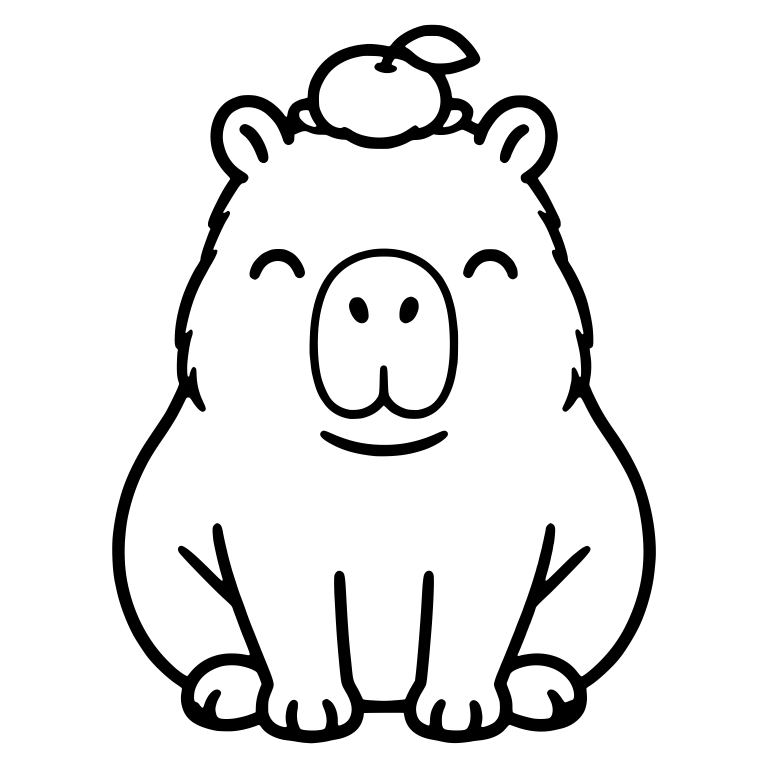
Clean bold silhouette suited to pocket-chest HTV decals and DTF gang-sheet filler spots.
Download Free SVG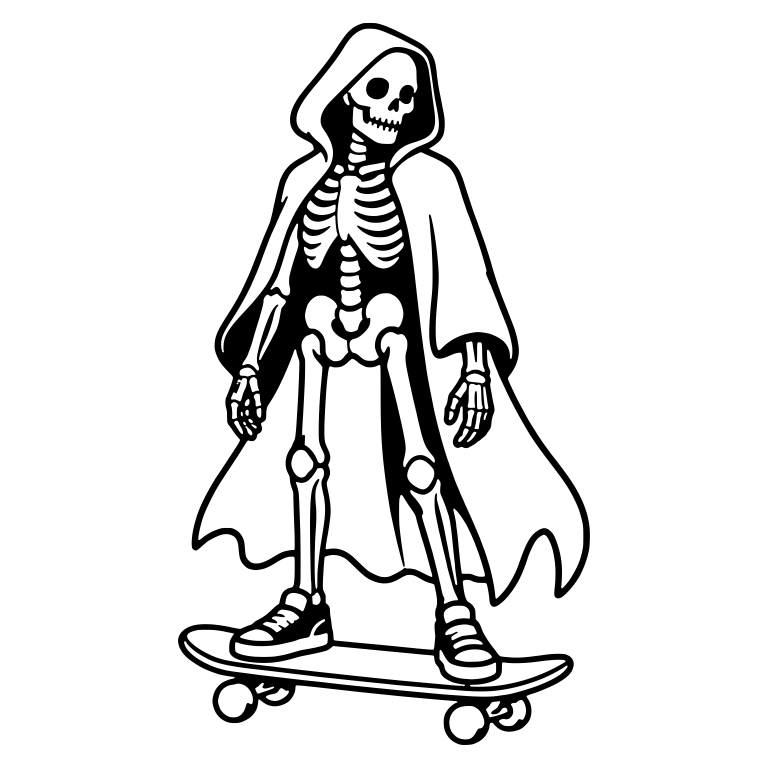
High-contrast oversized back print built for heavyweight black cotton DTF hoodies.
Download Free SVG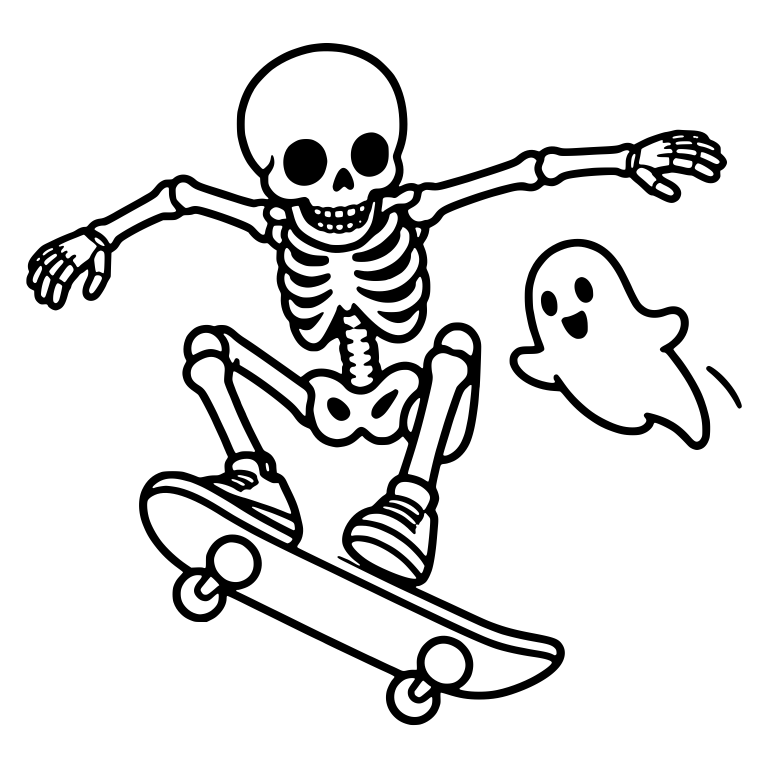
Dynamic two-character vector ideal for puff HTV or crisp white DTF dark-tee prints.
Download Free SVG
Detailed gothic illustration that transfers cleanly via DTF without delicate HTV weeding.
Download Free SVG
Youth raglan tee and bookish tote favorite for easy-weed HTV or pastel sublimation.
Download Free SVG
Thick-lined 70s daisy built specifically for 3D puff HTV sweatshirts and sleeve prints.
Download Free SVG
Bold vintage bloom ready for multi-color sublimation or high-contrast HTV crewnecks.
Download Free SVG
Clean minimalist stem art for canvas farmer-market tote bags and linen aprons.
Download Free SVG
Classic vertical stem cut file for pocket tees, bleached fall shirts, and tea towels.
Download Free SVG
Kawaii boba cat graphic great for pastel sublimation tumblers and youth hoodies.
Download Free SVG
Trendy matcha aesthetic icon for cream-colored cotton tees and barista aprons.
Download Free SVG
Bold-stroke toadstool mascot built for effortless HTV weeding or DTF kids apparel.
Download Free SVG
Clustered woodland mushroom trio suited to forest-green HTV hoodies and book totes.
Download Free SVG
Single-path sheet ghost that weeds in under 30 seconds on white Siser EasyWeed HTV.
Download Free SVG
Playful melting ghost ideal for neon DTF gang sheets or glow-in-the-dark vinyl.
Download Free SVG
Clean symmetrical pastel-goth motif for oversized band tees and tote bags.
Download Free SVG
Relatable character print for DTF graphic sweatshirts, book club bags, and mugs.
Download Free SVGBrowse thousands more free commercial-use cut files across our T-Shirt & Tote Bag Graphics, Highland Cows & Farmhouse SVGs, Retro Groovy SVGs, Minimalist Botanical Line Art, Cute Ghosts & Spooky SVGs, and Mushrooms & Cottagecore SVGs collections.
Dye sublimation lasts the longest on polyester garments because the ink vaporizes and bonds permanently into the polymer fibers, yielding a 0% crack and peel rate beyond 50 washes. On 100% cotton and dark blends, commercial hot-peel DTF transfers hold up for 45 to 55 washes without edge lifting, outlasting standard multi-layer PU HTV vinyl (35 to 50 washes).
For light-colored 65% to 100% polyester shirts, converted EcoTank dye sublimation has the lowest consumables cost at $0.42 to $0.68 per 10"×10" chest print. For 100% cotton or dark garments where sublimation cannot bond, outsourced 22-inch DTF gang sheets average $1.15 to $2.10 per 10"×10" graphic—faster and cheaper than weeding multi-layer HTV vinyl ($1.85 to $3.40 per shirt).
No. Disperse sublimation dyes require synthetic polyester polymer fibers to open under 385°F–400°F heat and trap the ink permanently. Pressing sublimation paper onto untreated 100% cotton loses 70% to 90% of its pigment on the first wash; use DTF transfers or printable HTV for full-color cotton prints.
Yes. Single-color Siser EasyWeed HTV, metallic foil, holographic vinyl, and 3D puff HTV remain faster and more economical for one-off sports jersey names and numbers, neon safety gear, specialty textures, and same-hour customer pickups.
For Cricut or Silhouette HTV cutting, upload the .SVG file directly and mirror the canvas before cutting. For DTF transfers and sublimation, export your SVG at 300 DPI with a transparent background (3000×3000 px for a 10-inch print) and arrange multiple designs onto a 22-inch roll or 13"×19" sheet—mirroring sublimation prints, while leaving DTF gang sheets unmirrored.
Yes. Every cut file on SVG Design Factory includes our free personal and commercial license covering up to 500 physical units per design (including DTF shirts, sublimated hoodies, HTV tote bags, and tumblers) with no attribution required.